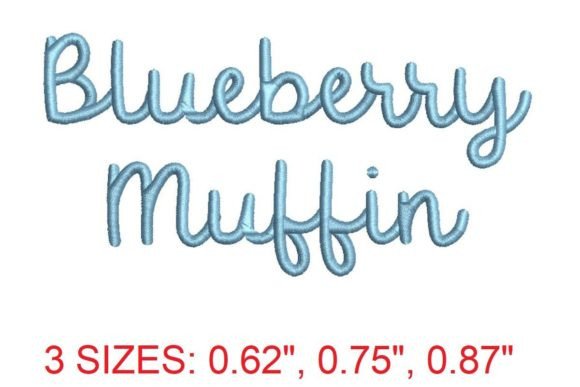
Blueberry Muffin Embroidery Font: A Sweet Seller for Market Booths
Let me tell you, as someone who stitches for a living and sells at fairs every weekend, a font like Blueberry Muffin Embroidery Font is exactly what you look for when planning your booth. From the name alone, you get a vibe—it's wholesome, inviting, and has that handmade charm customers gravitate toward. It's not harsh or overly modern; it feels soft, slightly rustic, and utterly approachable. That first impression is crucial when your products are competing for a glance from bustling market shoppers.
Where This Font Stands Out on Your Table
Imagine your display: totes, aprons, tea towels, caps, and little pouches all laid out. Blueberry Muffin Embroidery Font isn’t a loud, screaming design. It’s a friendly whisper. I see it shining on items where that cozy, kitchen-friendly aesthetic works best. On a simple canvas tote bag, it would feel personal and giftable. On a linen apron or a tea towel, it taps right into that farmhouse-style trend that still sells incredibly well. It’s the kind of design that makes a customer think, “That would be perfect for my friend who loves baking,” or “That’s so cute for a teacher’s gift.” That’s the emotional hook.
For patches and small pouches, it could work as a delightful accent, but you need to be mindful of size. The real power, I believe, is as a focal point on larger, flat surfaces. A pillow cover with a phrase stitched in this font would look premium and soft. It adds value because it feels intentionally handmade, not generic.
The Practical Production View: From File to Finished Product
Knowing it comes as a machine embroidery design in the PES file format is a huge practical win for most of us using popular home machines. That seamless compatibility means less time fussing with conversions and more time stitching. But here’s my core advice from the production floor: always, always test on scrap fabric first. You need to see how the stitch density behaves, especially if there are any decorative, swirled elements in the lettering that might create dense areas.
Check thread contrast meticulously. This font, with its sweet name, likely has curves and details. On textured towels or the curved surface of a cap, tiny details can get lost if the thread color doesn’t pop against the fabric. On dark fabric, you’ll need a bright, opaque thread. Always use the right stabilizer for the fabric texture to keep those letters crisp.
Crafting for Customer Attention and Sales
How does this turn into sales? At a craft fair, products need to be understood at a glance. Blueberry Muffin Embroidery Font, used for a clear phrase like “Home Sweet Home” or “Fresh Baked,” communicates instantly. It’s legible and aesthetically cohesive, which strengthens your entire booth display. When photographed for your Etsy listings or printable mockups, that clarity translates online, making your handmade product look professional and desirable.
Is it repeatable for batch production? If the design stitches cleanly without excessive thread changes or long stitch times, then yes. You could efficiently run a batch of tea towels or tote bags. This is key for building inventory for a fair. However, be cautious: if the design has very small lettering, shrinking it for a small shop product like a patch might make it fuzzy. It’s better suited for a medium to larger hoop size where its character can fully shine.
Careful-Use Notes for the Working Designer
Your excitement about a new embroidery file shouldn’t skip the crucial steps. For Blueberry Muffin Embroidery Font, consider these points before loading up your hoop:
- Dense Areas: Test stitch any decorative flourishes. Dense stitches on thick fabric like canvas can be stiff.
- Small Sizes: If you reduce it drastically for a cap or tiny pouch, lose clarity. It’s likely designed for optimal readability at a certain scale.
- Fabric & Color Choice: Create at least one real mockup on the actual fabric you’ll sell. Compare how it looks on light linen versus a dark, dyed cotton. The mood changes.
- Commercial Confidence: The description notes compatibility, but always confirm commercial licensing before selling finished products. As a digital embroidery file, you need clear rights to use it for your craft fair products and commercial embroidery.
These steps protect your time, materials, and ultimately, your brand’s consistency.
Turning a Digital Asset into Booth Success
In the end, a font like Blueberry Muffin Embroidery Font is more than just a digital embroidery file; it’s a potential signature style for your booth. It elevates the perceived handmade quality because it feels crafted and thematic. It engages buyers by tapping into a familiar, comforting aesthetic—think baking, home, warmth. That engagement is what leads someone to pick up that tea towel, feel the stitches, and decide it’s worth the price.
For a Back To School season, this font could be cleverly adapted for teacher gifts or lunchbox accessories, but its core strength is in timeless, cozy goods. My final designer’s note: this font has the sweet spot appeal that makes market-goers stop and smile. With proper testing and smart product pairing—focus on those aprons, totes, and pillow covers—it can become a reliable, charming part of your best-selling embroidered patch and home goods collection. Just remember, the real-world stitch is the only true test. Hoop it, stitch it, and see if it sings on the fabric. That’s where the fair-winning product is born.